Home Lift

Home Lift

For private residences, typically compact and designed for home use.

We set the discipline that applies engineering, physics, engineering mathematics, and materials science principles to design, analyse, manufacture, and maintain mechanical systems. It is one of the oldest and broadest of the engineering disciplines since early times.

Technically, mechanical engineering is the application of the principles and problem-solving techniques of engineering from design to manufacturing to the marketplace for any object. Mechanical engineers analyze their work using the principles of motion, energy, and force.

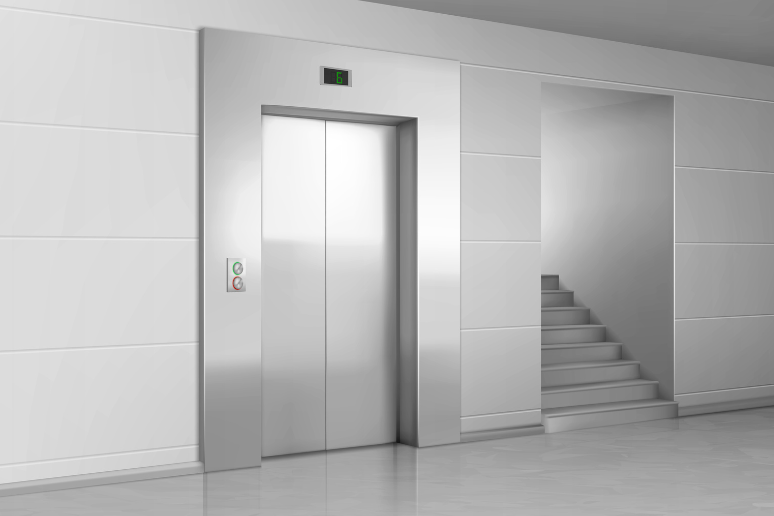
Key Features

  • Compact & Space-Saving Design: Slim, space-saving build
  • Smooth & Silent Operation: Quiet, seamless ride
  • Energy Efficient: Low power usage
  • Customizable Design: Custom look options
  • Easy Installation: Quick, hassle-free setup
  • User-Friendly Controls: Simple, intuitive controls
  • Low Maintenance: Minimal upkeep needed
  • Wheelchair Accessibility: Accessibility friendly design
  • Compliance with Safety Standards: Certified safe operation

Safety Features

  • Emergency stop button
  • Battery backup during power failure
  • Automatic door locking
  • Overload sensor
  • Emergency alarm and intercom

Types of Home Lifts

  1.  Hydraulic Lifts
    o Quiet and smooth ride
    o Requires a pit and machine room (can be compact)
    o Great for up to 4–5 floors
    o More robust, good for higher load capacity
  2.  Gearless/Traction Lifts
    o No oil needed
    o Energy efficient
    o Slim shaft possible
    o Smooth and silent, but costlier