Scissor lift

Scissor lift

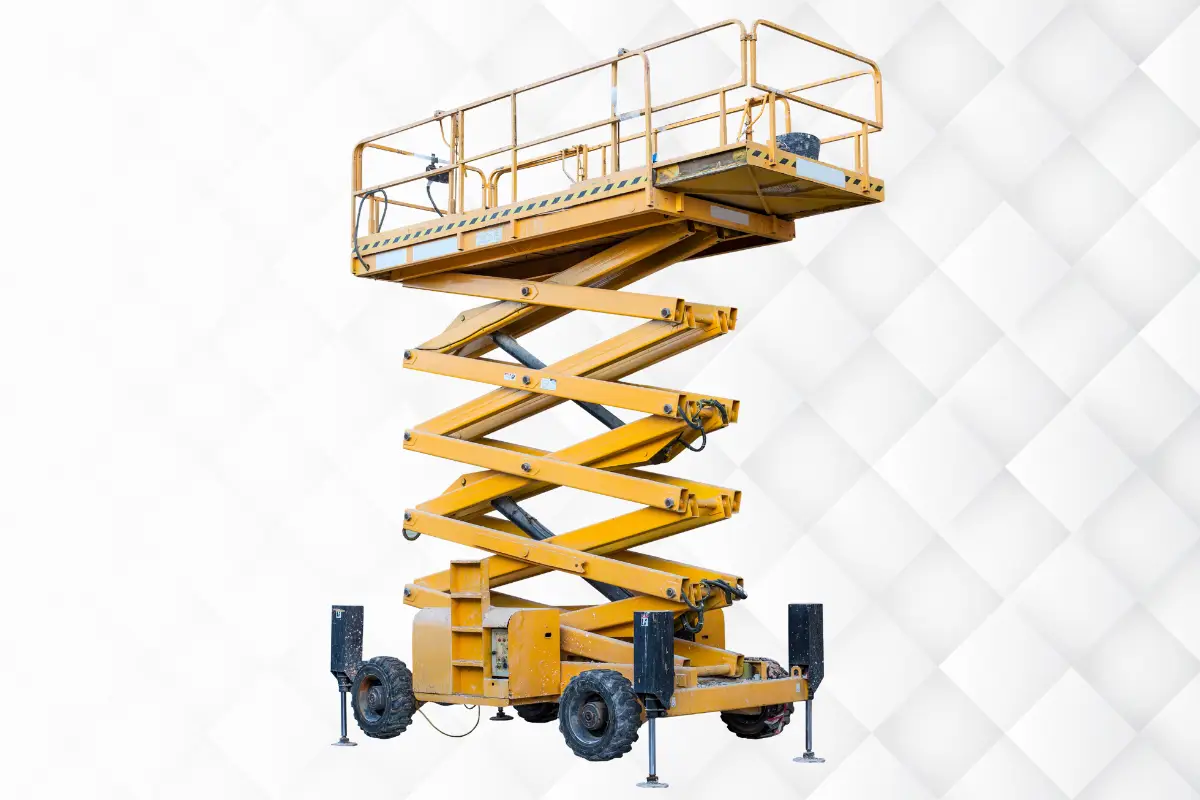
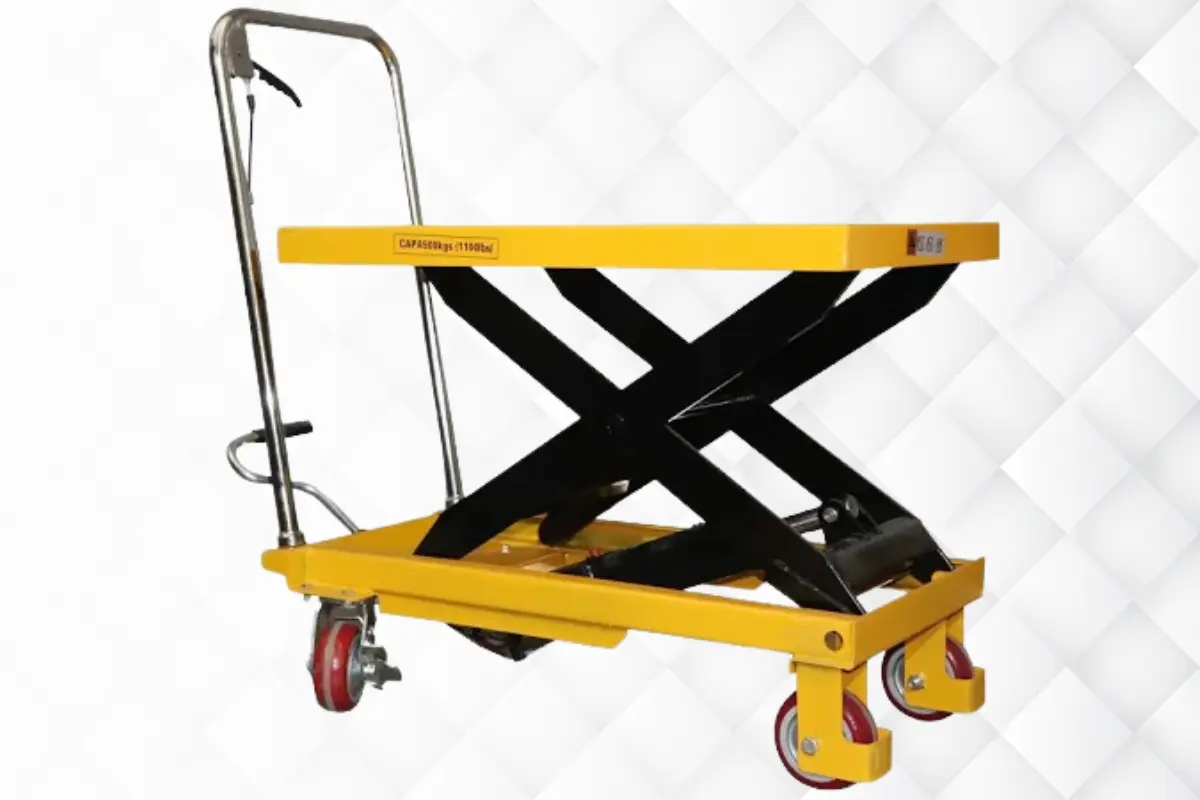
A scissor lift is a type of mechanical platform used to raise or lower goods or people vertically. It operates using a scissor-like mechanism (crisscrossing supports) that extends when pressure is applied, typically through hydraulics, pneumatics, or mechanical force.
Key Features

  • Vertical Lifting Mechanism: Utilizes a crisscross ‘scissor’ structure to raise and lower smoothly.
  • Hydraulic, Pneumatic, or Mechanical Operation: Powered by hydraulic fluid, compressed air, or motorized systems for precise control.
  • Compact Design: Easy to maneuver and store; ideal for narrow or limited spaces.
  • Customizable Platform Size: Platforms can be designed based on the load or task requirements.
  • Load-Bearing Capacity: Designed to lift heavy weights, from a few hundred to several thousand kilograms.
  • Mobility Options: Available in both stationary and mobile (self-propelled or towable) versions.
  • Height Adjustability: Supports varying elevation levels depending on the model.
  • Control Options: Equipped with easy-to-use control panels for smooth operation.
  • Durable Construction: Made of strong, industrial-grade materials for long-term use.
  • Low Maintenance: Requires minimal servicing compared to other lifting equipment.

Safety & Compliance

  • Guardrails and Toe Boards
  • Emergency Stop Buttons
  • Load Sensors & Limit Switches
  • Non-Slip Platforms
  • Stability Control Systems
  • Fall Protection Anchor Points
  • Manual Lowering Valve
  • Regular Inspection Compliance
  • Training Requirements